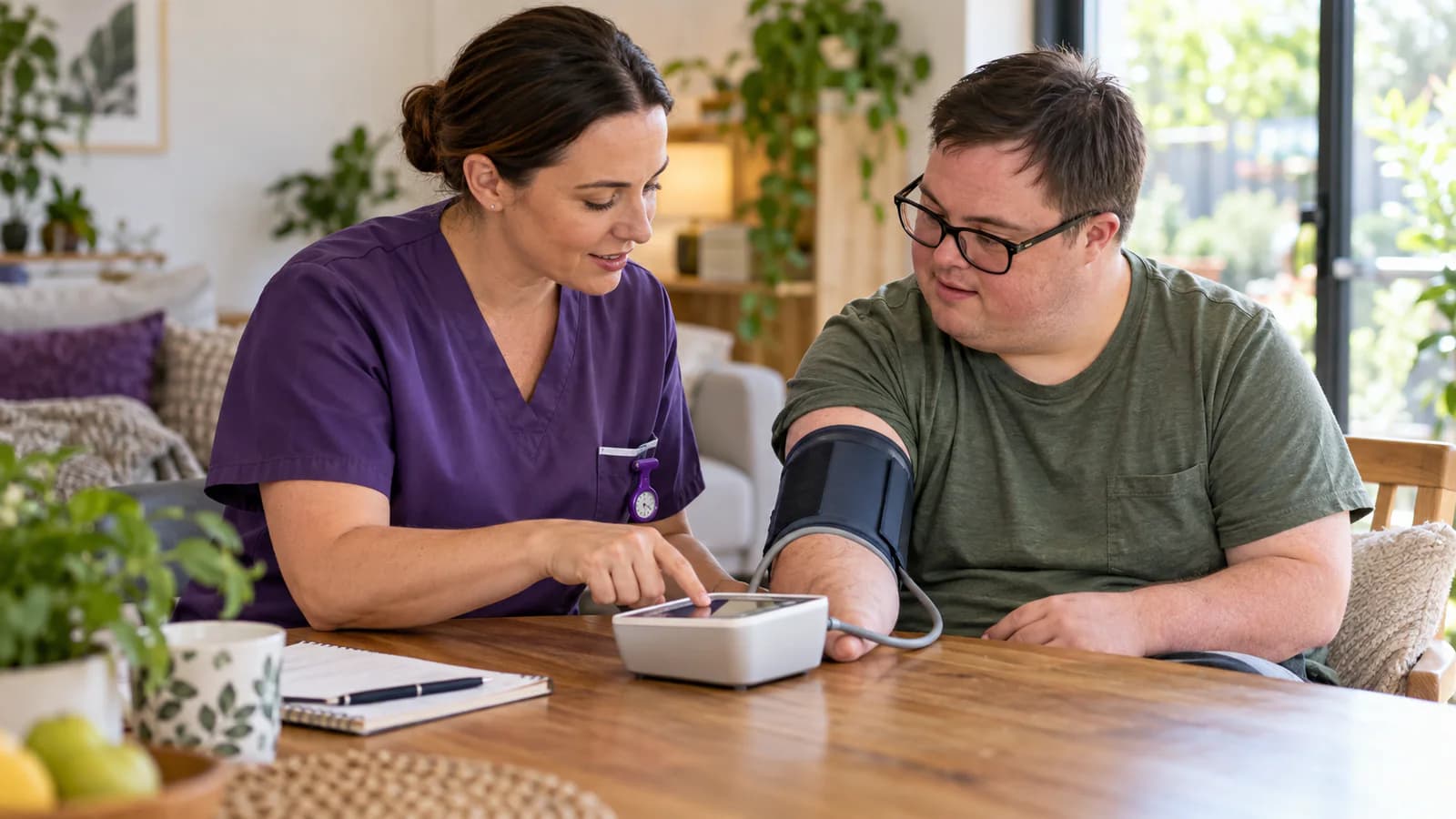
Many participants living with complex disabilities have health needs that go beyond standard social companionship and household domestic help. From managing tracheostomies and PEG feeding tubes to complex seizure management plans and deep pressure injury prevention, high-intensity supports require genuine clinical rigor.
Nurse-led disability care bridges the critical gap between hospital-level healthcare and home-based community living, allowing individuals with intricate medical needs to thrive safely in their own homes.
What is High-Intensity Daily Personal Support?
The NDIS Quality and Safeguards Commission defines high-intensity daily personal activities as tasks requiring specialised training and clinical governance. These include:
- Enteral Feeding & Management: Administering feeds, flushes, and medications via PEG, PEJ, or nasogastric tubes.
- Complex Bowel Care & Stoma Management: Supporting individuals with spinal injuries or neurogenic bowel conditions requiring specialised intervention.
- Subcutaneous Injections & Complex Medication: Insulin administration, anti-coagulants, and high-risk prescription protocols.
- Tracheostomy & Respiratory Support: Suctioning, tube changes, and CPAP/BiPAP ventilator monitoring.
- Wound Management & Pressure Sore Prevention: Clinical staging, aseptic dressings, and position-change scheduling.
The Role of Registered Nurses in Community Training
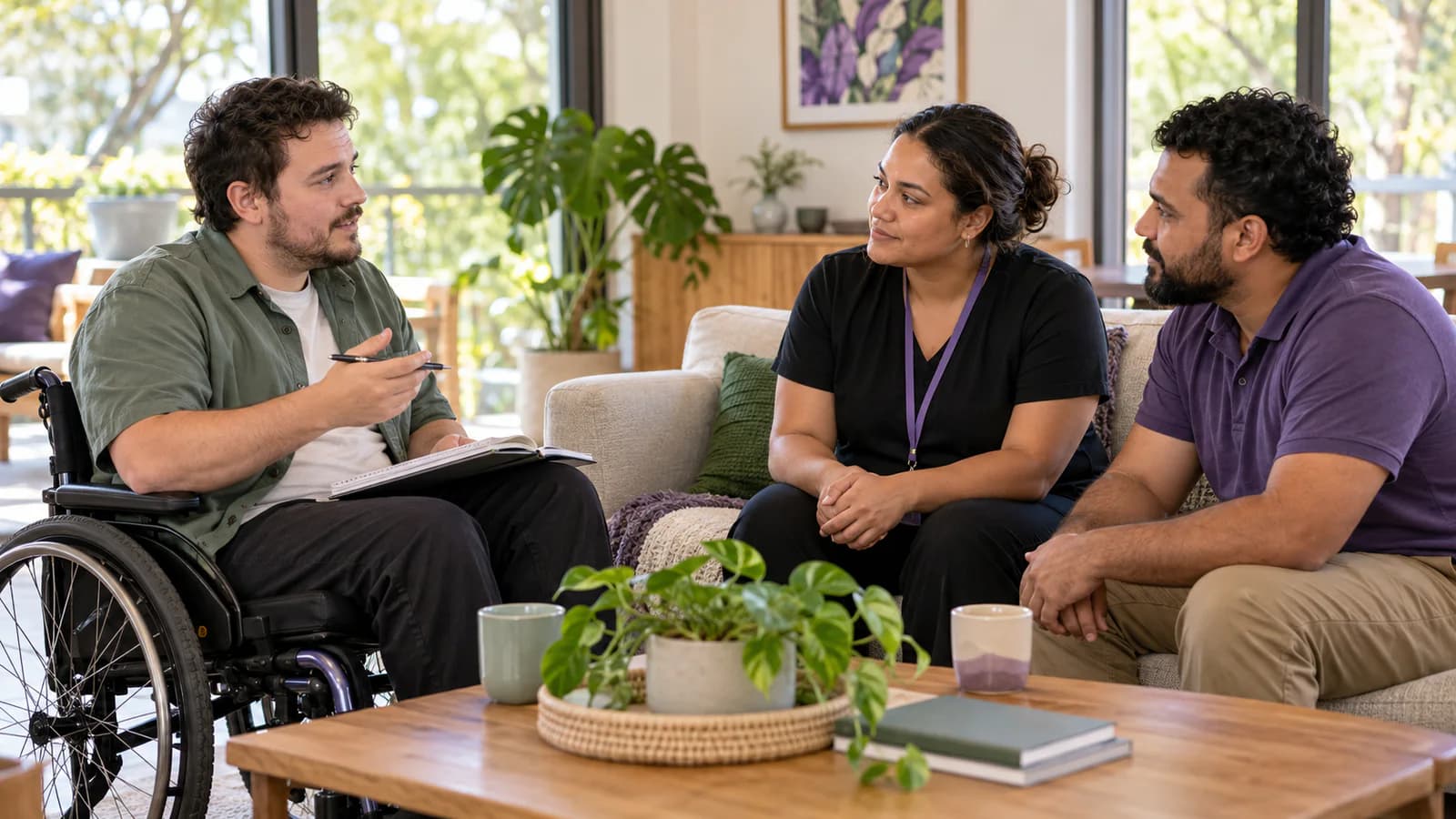
Not every shift needs to be physically worked by a registered nurse. Under the NDIS Practice Standards, a qualified Registered Nurse conducts comprehensive risk assessments, authors clinical care plans, and delivers participant-specific training and competency assessments to experienced support workers.
This means your everyday carers are specifically signed off by an RN for your unique protocols, while our clinical nurse is on call 24/7 if unexpected vital sign changes or complications arise.
Proactive Health Monitoring & Escalation
Nurse-led community disability care supports early identification of infections, wound issues, and respiratory changes, helping participants stay safe at home with hospital escalation whenever clinically indicated.
50+ Years of Combined Nursing Experience
Inspirational Care was founded by passionate healthcare professionals with half a century of frontline hospital and community nursing experience. When you trust us with your care, you gain hospital-grade clinical governance delivered with the warmth and tenderness of family.
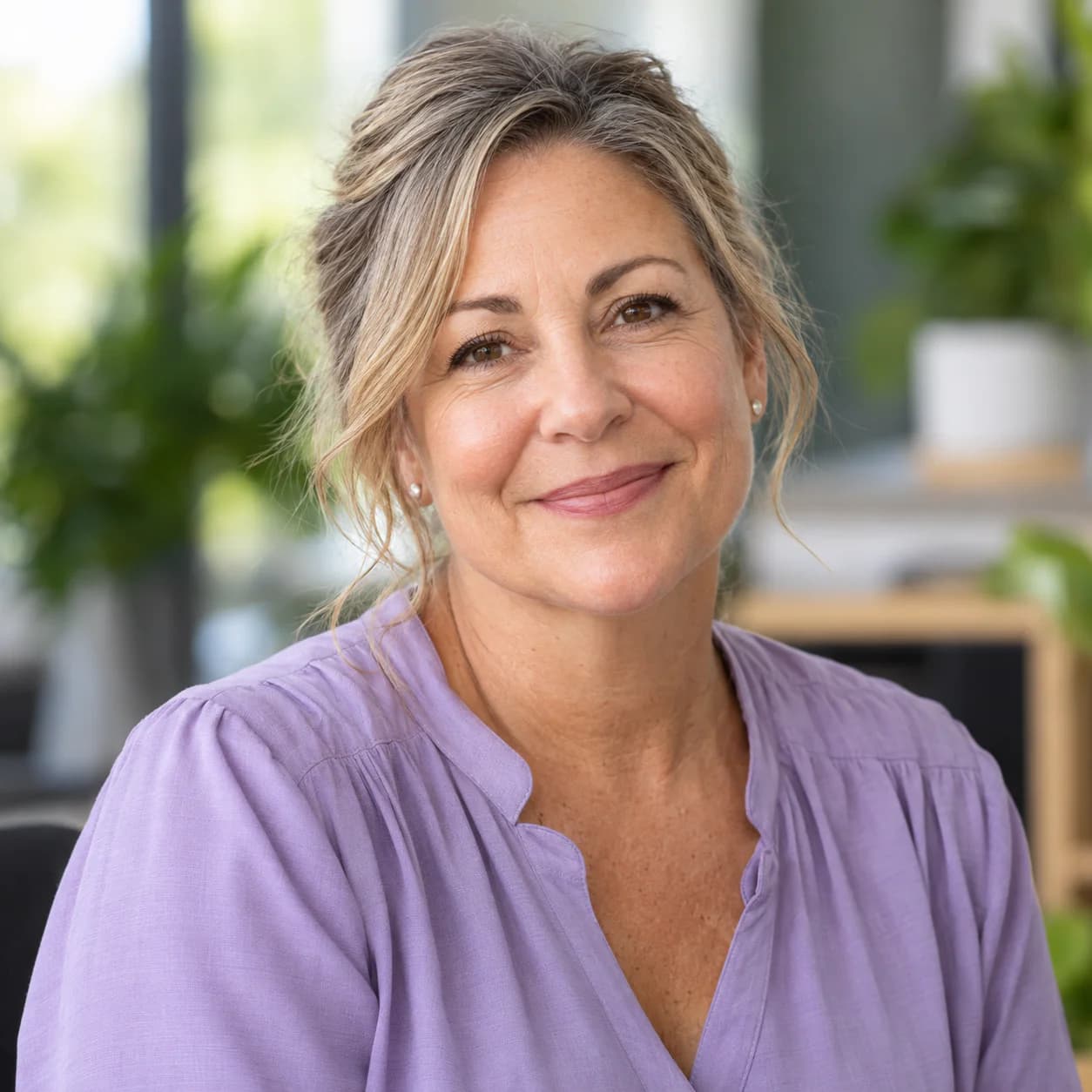
Sister Sarah Jenkins, RN
Director of Clinical Care • Inspirational Care
Focused on clear, person-centred disability support information for participants and families across Greater Sydney.