
Specialist Disability Accommodation (SDA)
Explore specially designed housing in Greater Sydney for NDIS participants with extreme functional impairment or very high support needs. Enquire about accessibility, funding and current availability.
Built for Access
Specialist Housing
4 Design Types
SDA Design Categories
Sydney Housing
Greater Sydney Enquiries
NDIS Funding
Capital Supports
SDA design categories and housing options
The NDIS uses four design categories to describe different accessibility and safety needs. Features vary by dwelling, and housing and daily support are assessed separately.
Improved Liveability
Design features can help people with sensory, intellectual or cognitive disability navigate a home. Contrasting surfaces, for example, can make doors, walls and floors easier to distinguish.
Fully Accessible
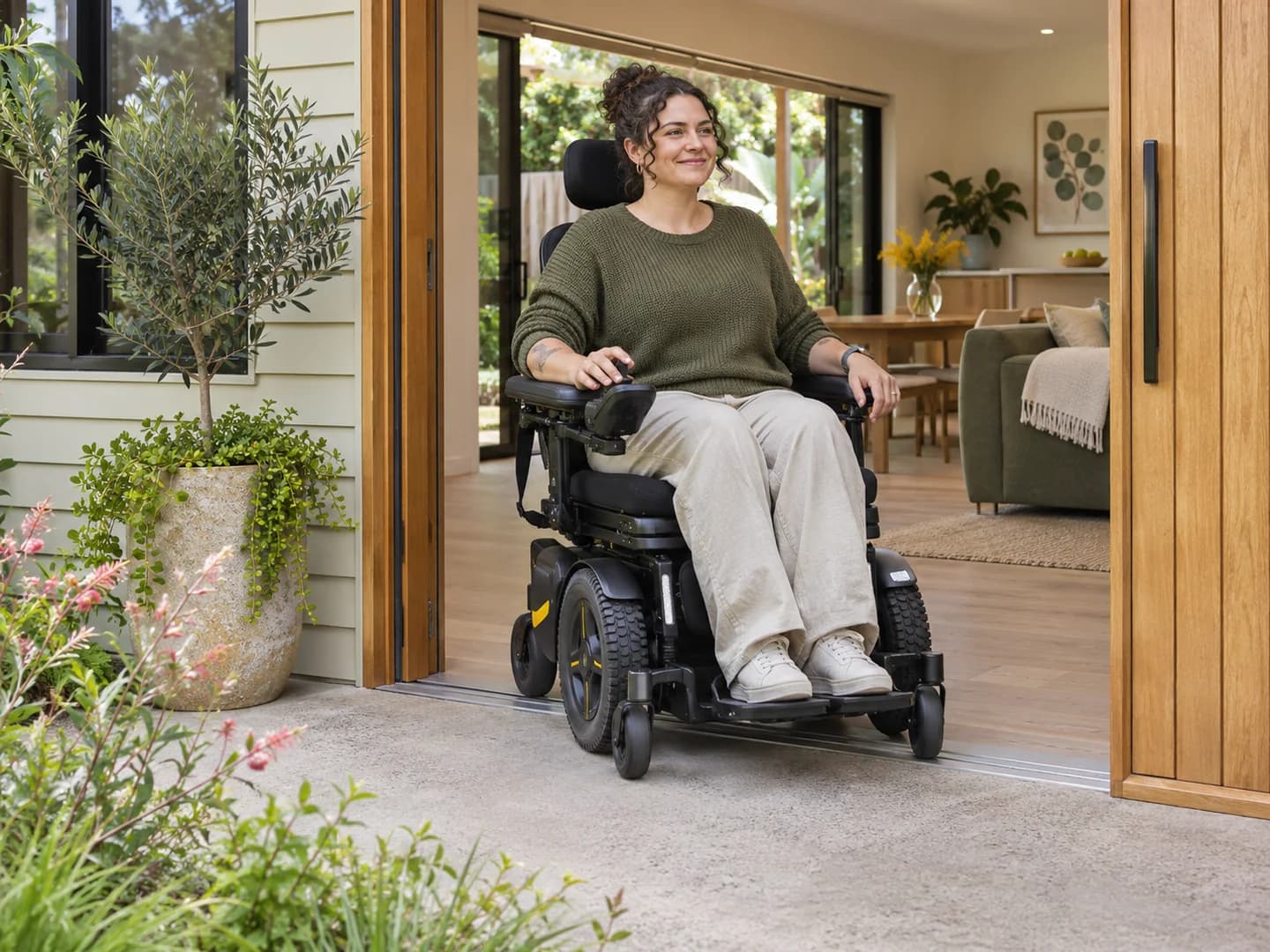
Designed for people with significant physical access needs. A home might have step-free entries, wider doorways and space to manoeuvre a wheelchair in the bathroom or kitchen.
Robust
Durable construction and layouts that help reduce safety risks for residents and others. The materials and fittings can also reduce the need for frequent repairs.
High Physical Support
Designed for people who need extensive physical support. Depending on the dwelling, features may include provisions for ceiling hoists, automated doors or backup power.
Shared and Individual Living
SDA can include shared homes or dwellings for one resident. The options you can consider depend on your assessed needs, plan and current availability.
Enrolled SDA Dwellings
SDA homes must be enrolled with the NDIA. When comparing options, check the home’s enrolment, design category and whether the property fits your plan.
What to look for in an SDA home
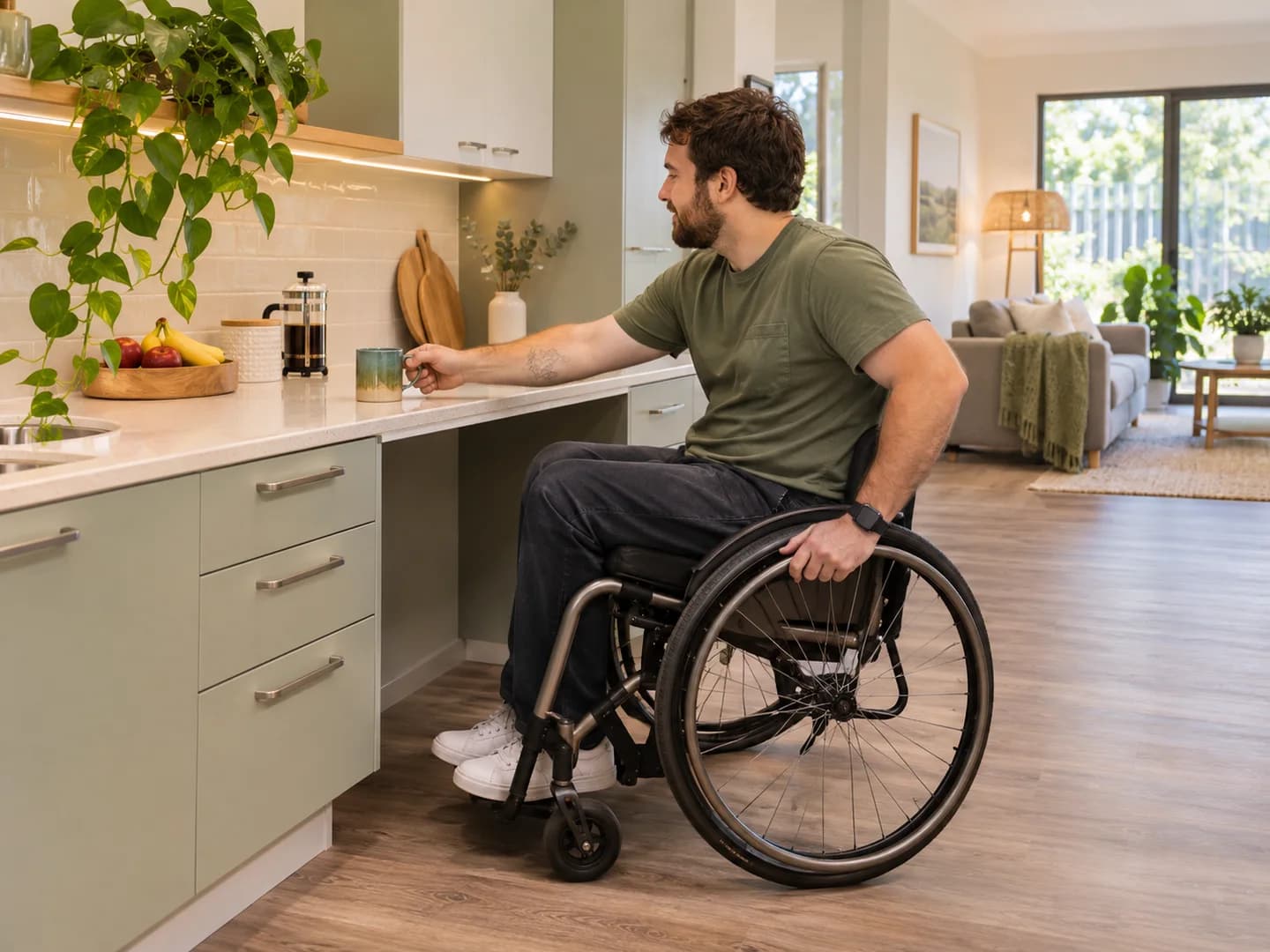
An SDA dwelling could be a house, apartment or villa. Before deciding whether a home suits you, think about how you would use the space, who you might live with and how your daily supports would work.
Check entrances, hallways, bathrooms and shared spaces. Consider how you would get in, move around and leave safely in an emergency.
Ask whether the layout works with your wheelchair, transfer equipment and care routines. SDA covers specialist housing, while Supported Independent Living (SIL) funds help with daily tasks.
Consider who you would live with and how close the property is to family, transport and the places you visit regularly.
How to make an SDA enquiry
Whether you already have SDA funding or are exploring your options, these steps can help you prepare for a conversation about your housing needs.
Check your plan
If SDA is in your plan, note the design category, dwelling type and location. If you are exploring eligibility, speak with your NDIS contact.
Describe your housing needs
Tell us your preferred suburbs, accessibility requirements, move timeframe and whether you would consider sharing.
Compare available options
If there is a suitable option, check its enrolment, accessibility and whether it works with your daily support arrangements.
Review the terms
Before deciding, check the rent contribution, utility costs and tenancy terms. Discuss the move with your support coordinator if you have one.
Frequently Asked Questions About SDA
What to know about funding, housing costs and daily support.
The NDIA makes the funding decision. If you are exploring SDA, your NDIS contact can explain the evidence you may need. A recent report from a treating professional, such as an occupational therapist, can help explain why your current housing does not meet your disability needs.
Looking for a home that fits your needs?
Tell us your preferred suburbs and accessibility needs. Our team can discuss your enquiry, current availability and next steps.